Brand Design Lead
Cadence
September 2025
to May 2026
Justin Berg, Senior Product Designer
Caitlyn Durcan, Head of Communications
Brand strategy, identity, web systems, motion, presentations, photography, and rollout
A clearer brand for a more intelligent care model.
A clearer brand for a more intelligent care model. Cadence was evolving from remote patient monitoring toward an AI-enabled care system that helps clinicians move faster. Its expression needed to communicate that shift without losing the trust and humanity at the center of care.
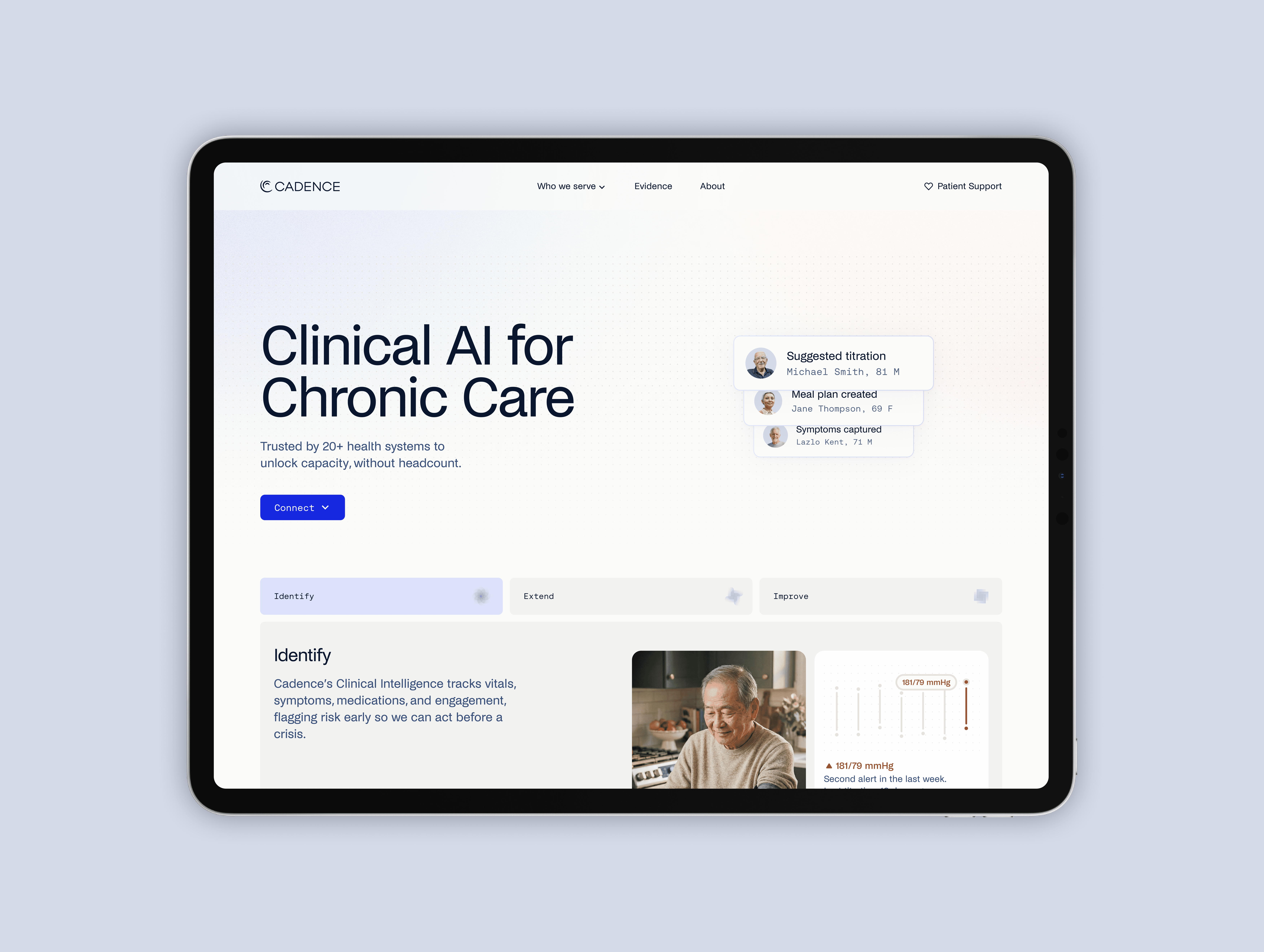
With the product and messaging evolving in parallel, I led the refresh from strategic framing through a production-ready website and visual system on a compressed timeline.
Human care needed clinical authority.
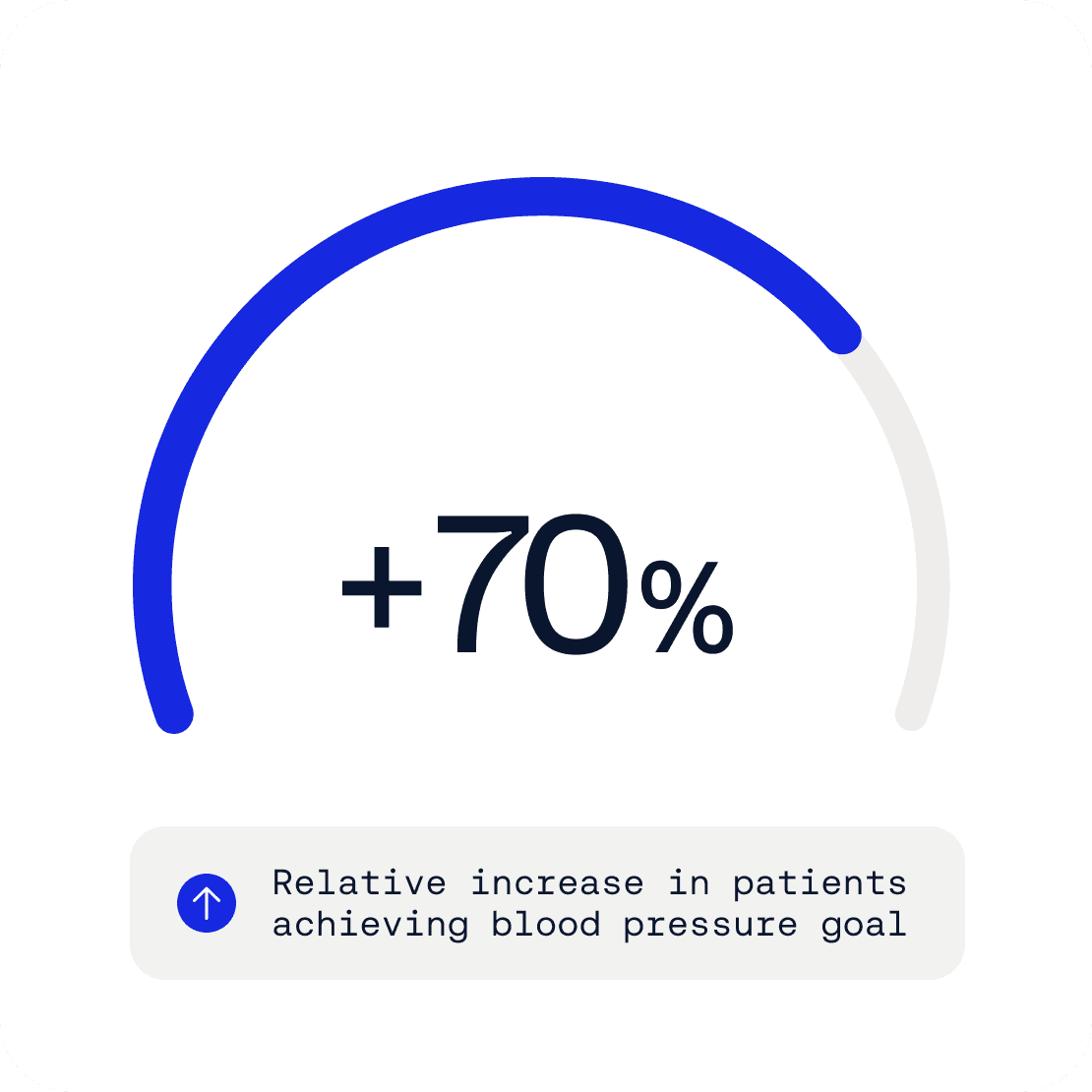
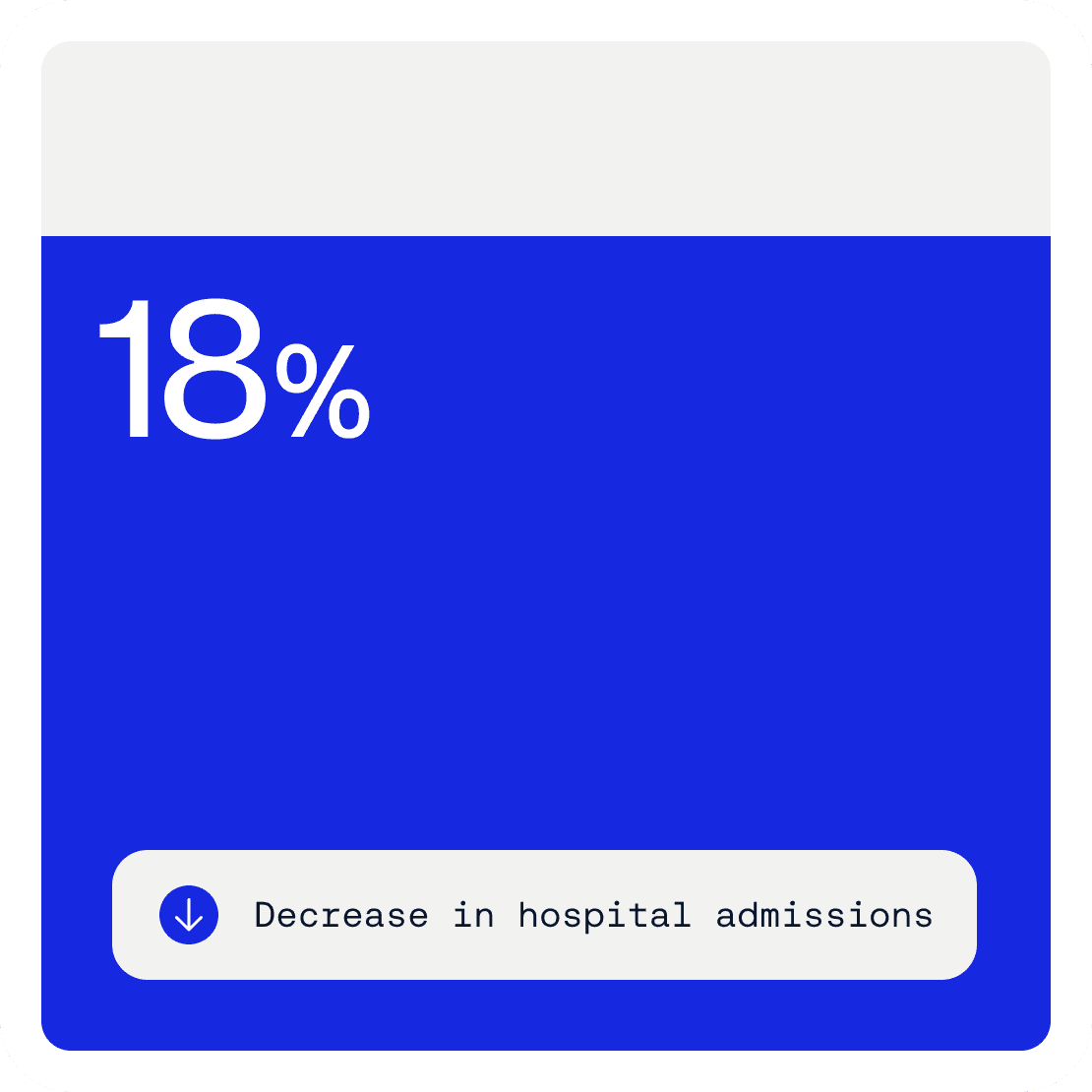
Human care needed clinical authority. Early explorations deliberately tested a warmer, more consumer-facing edge. Founder feedback sharpened the brief: approachability mattered, but Cadence earned credibility through data, clinical evidence, and measurable outcomes.
I steered the direction toward a balance of humanity and clinical authority, introducing more structure, precision, and space for proof. That tension became a practical filter for the work that followed.


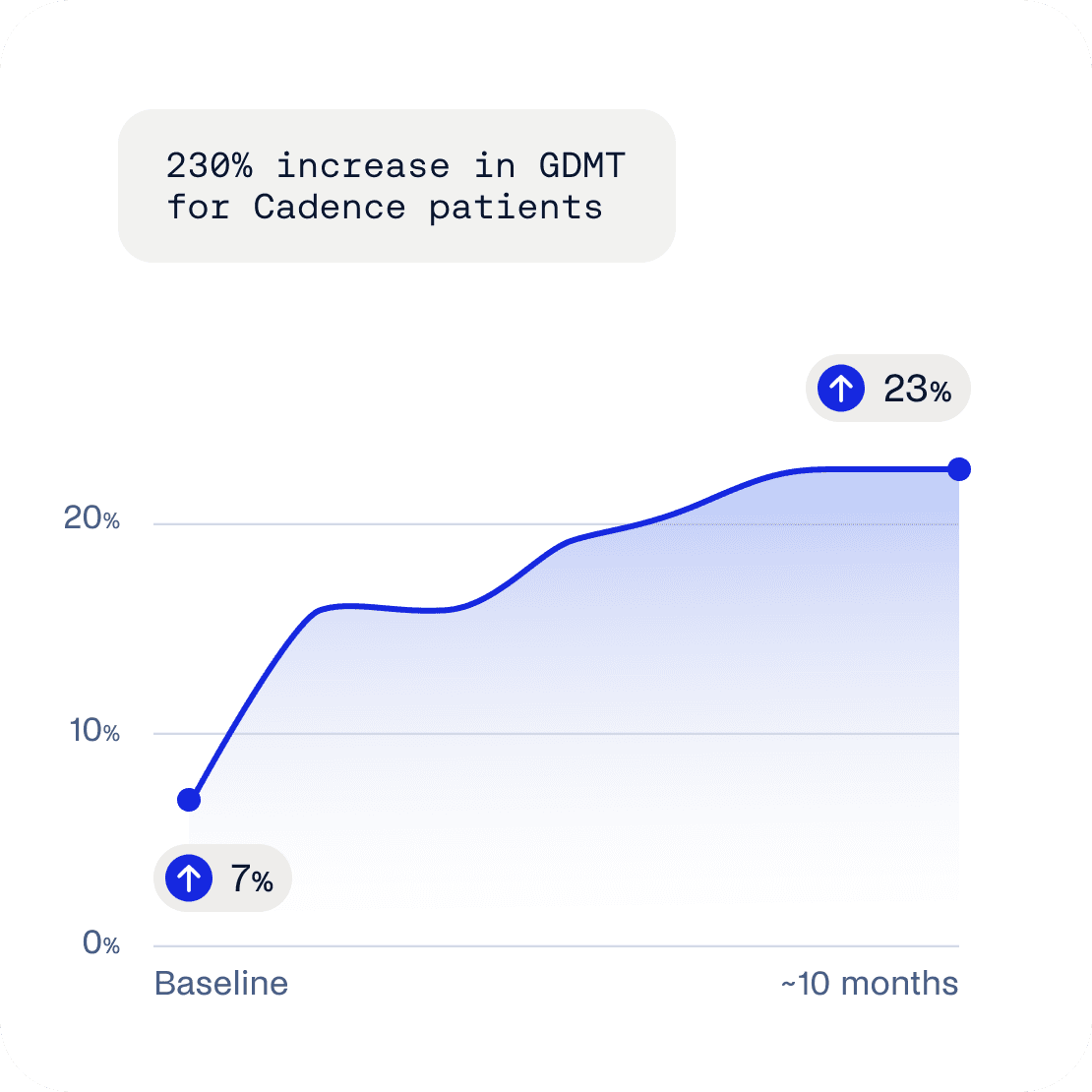
Evolve the brand, then make it usable.
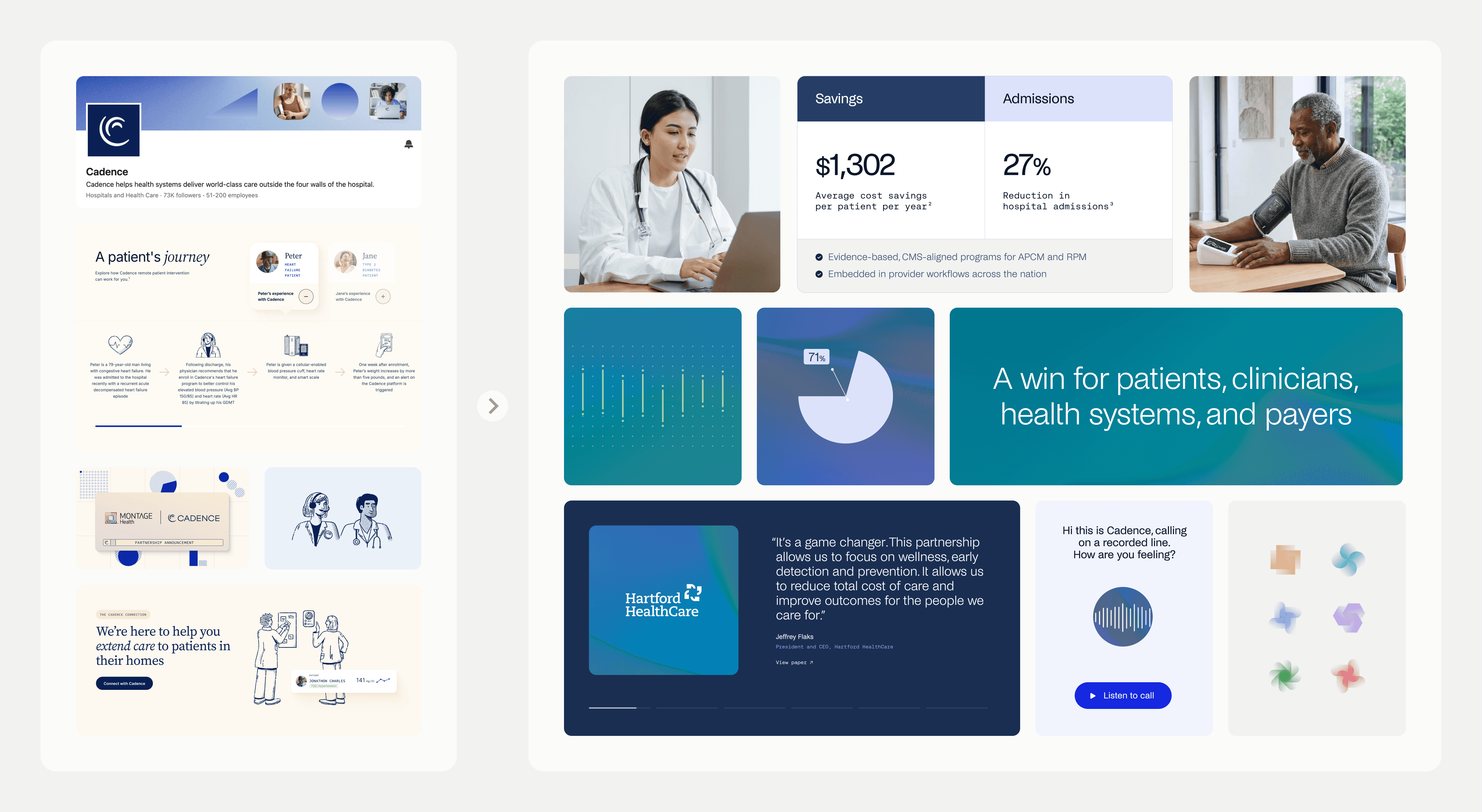
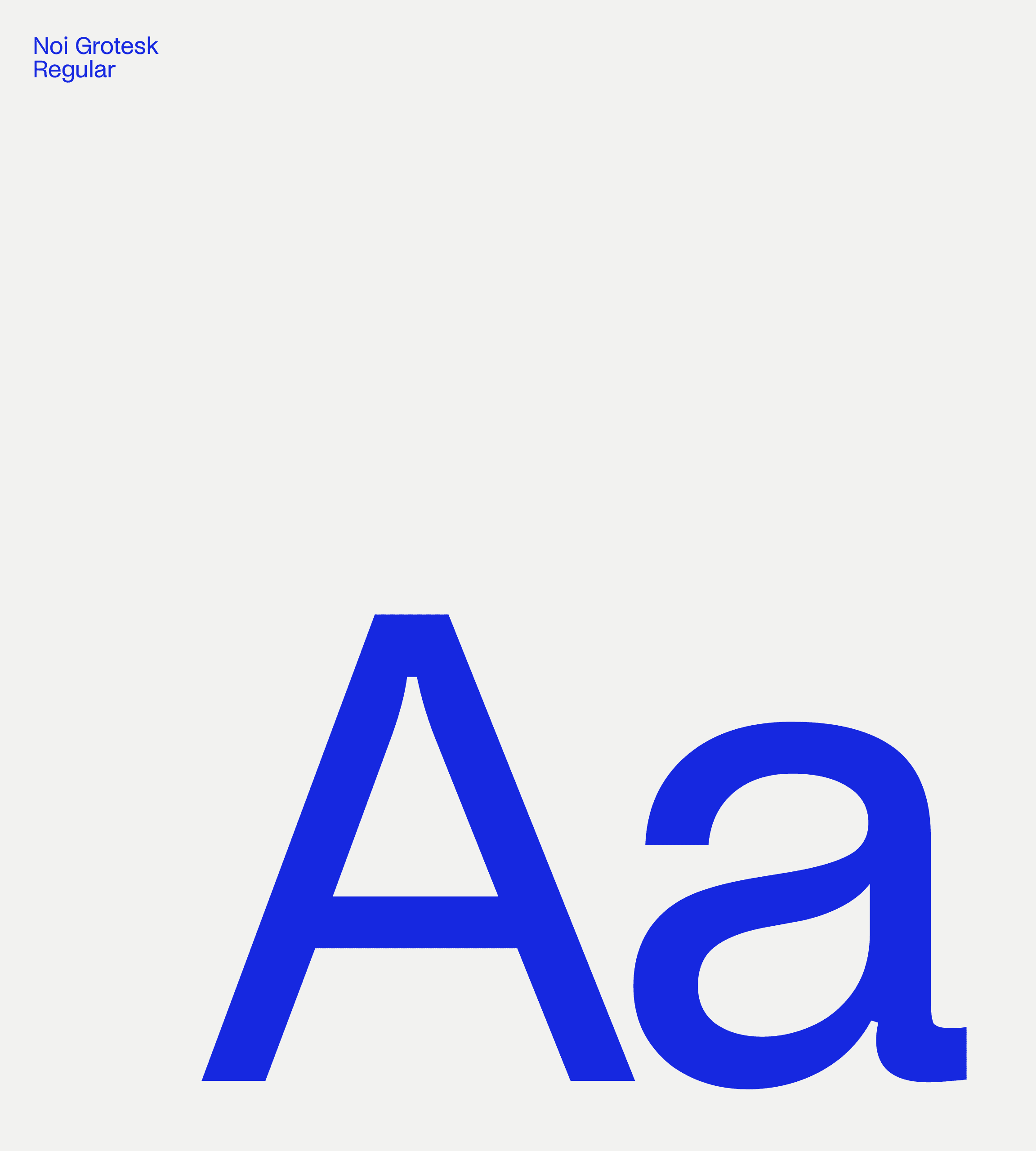
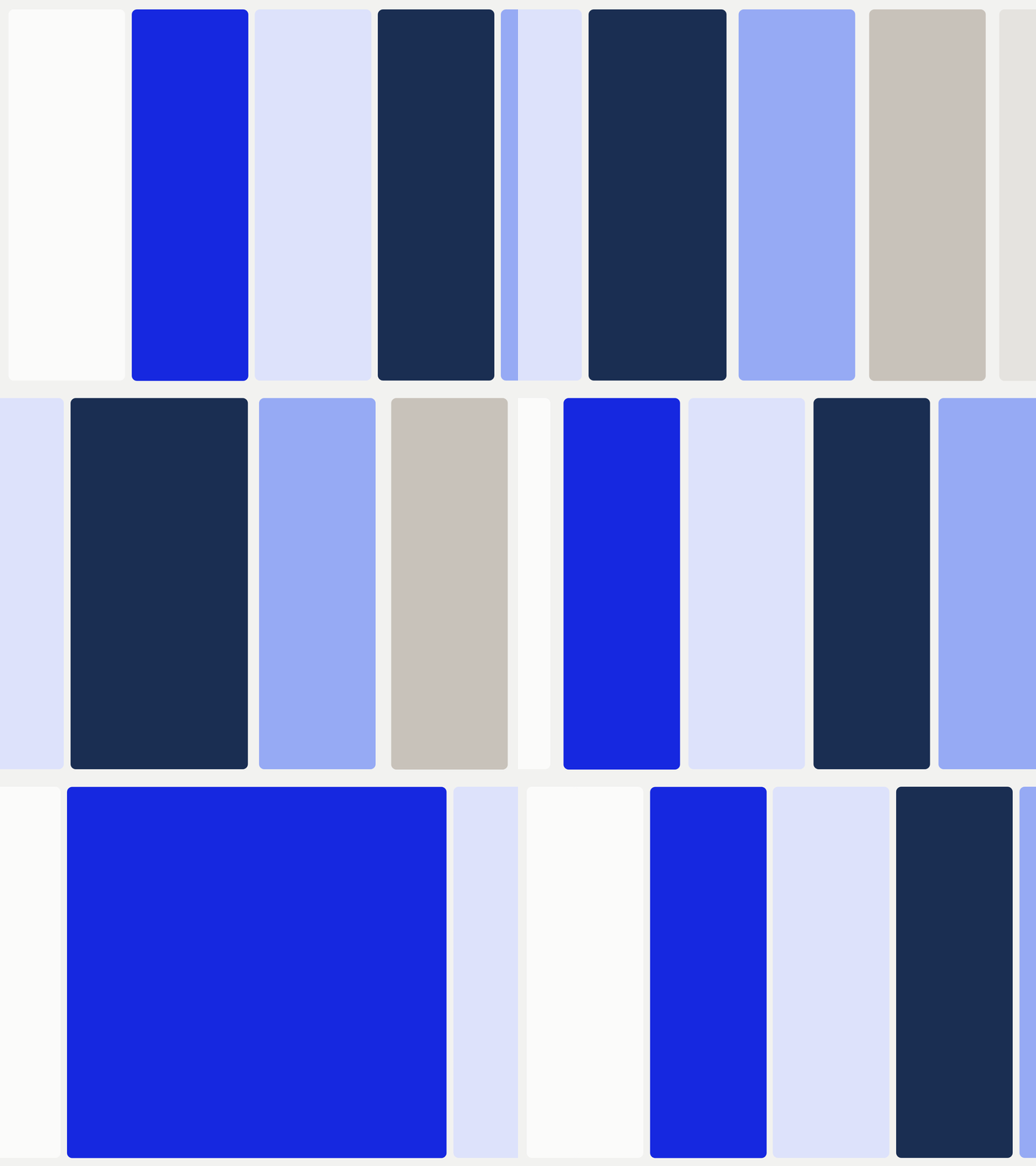
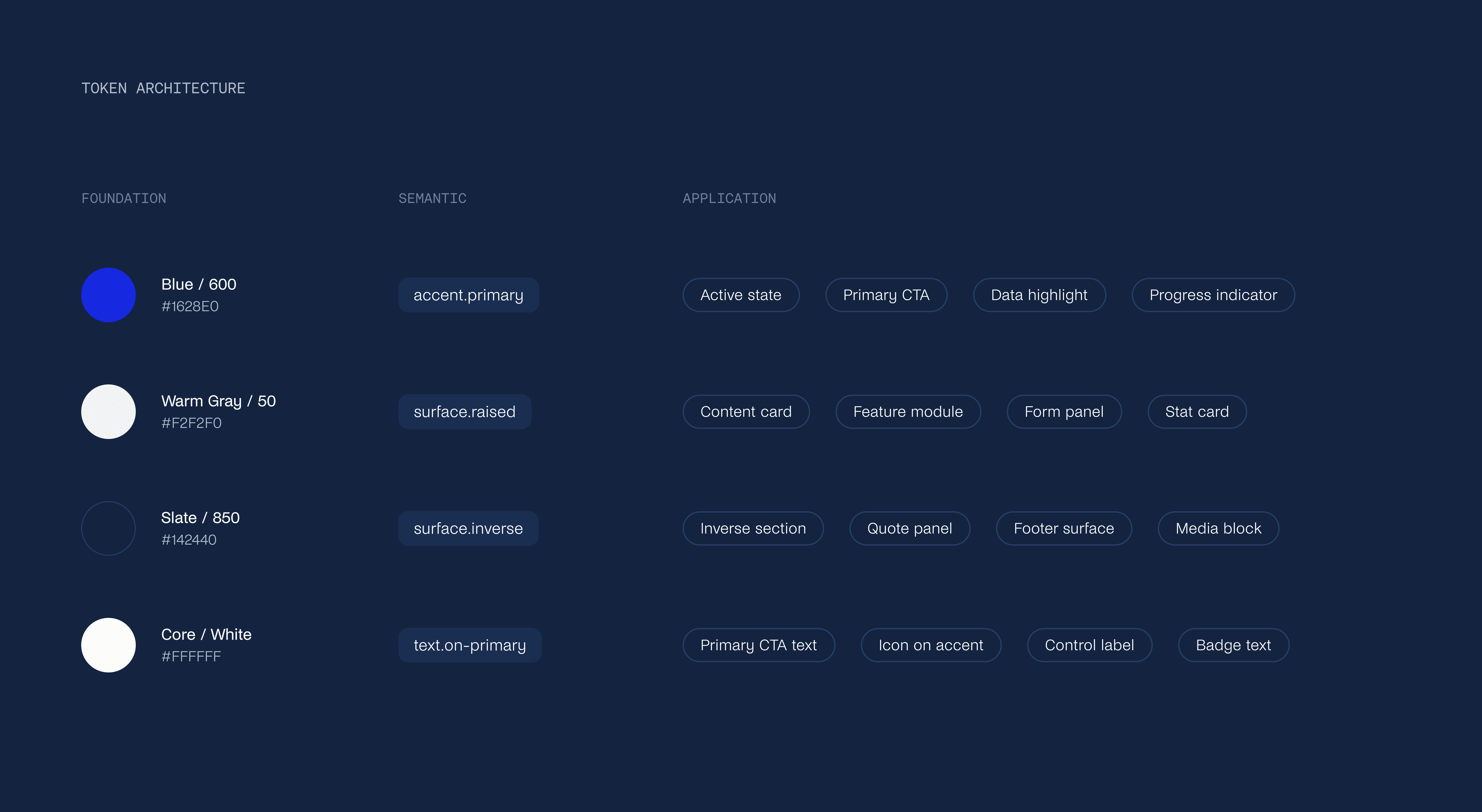
Evolve the brand, then make it usable. I expanded recognizable equities into a more capable system. Natural forms became structured expressions, gradients gained a clearer role, and new color, type, motion, and module rules gave the identity greater range.
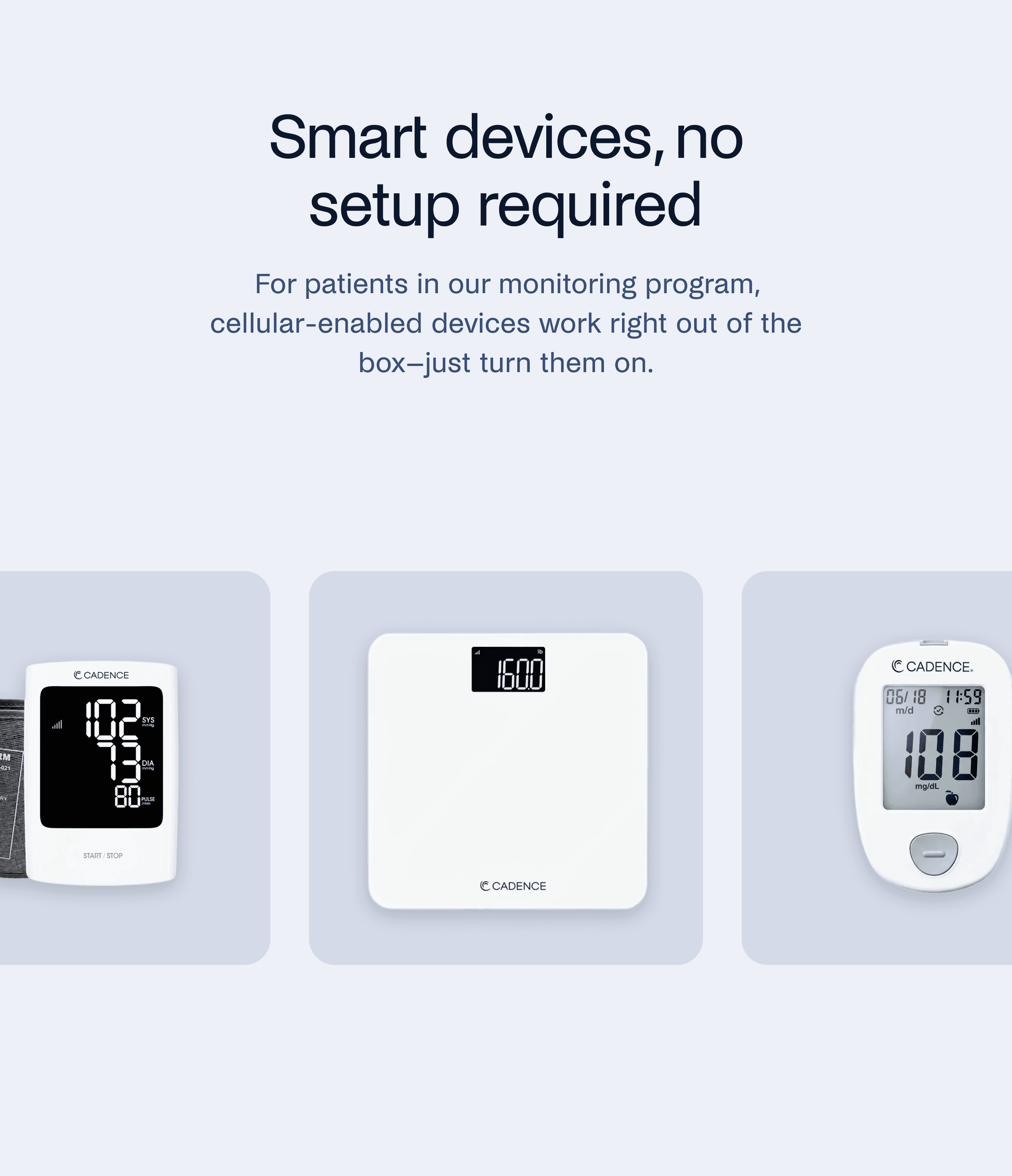
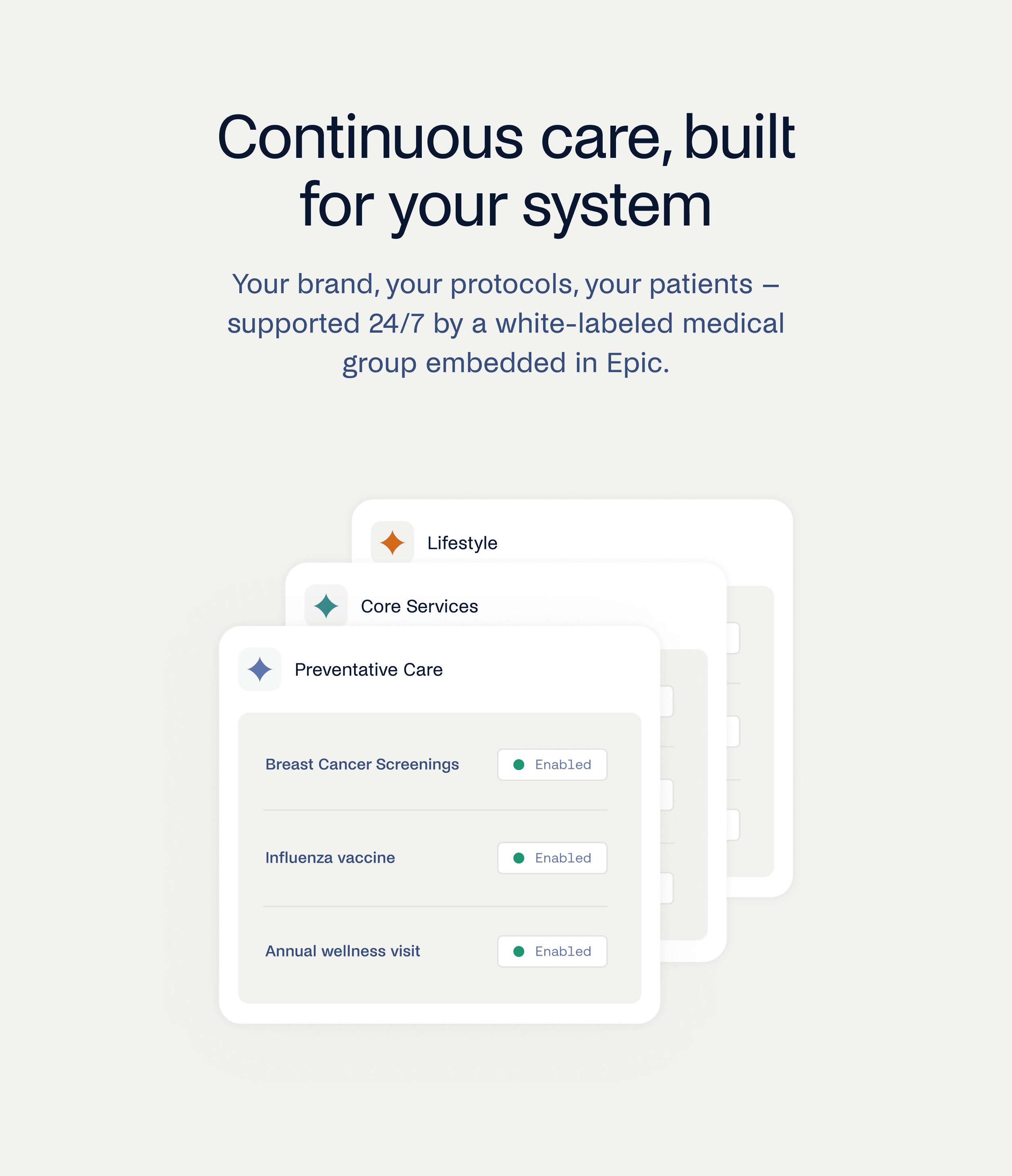
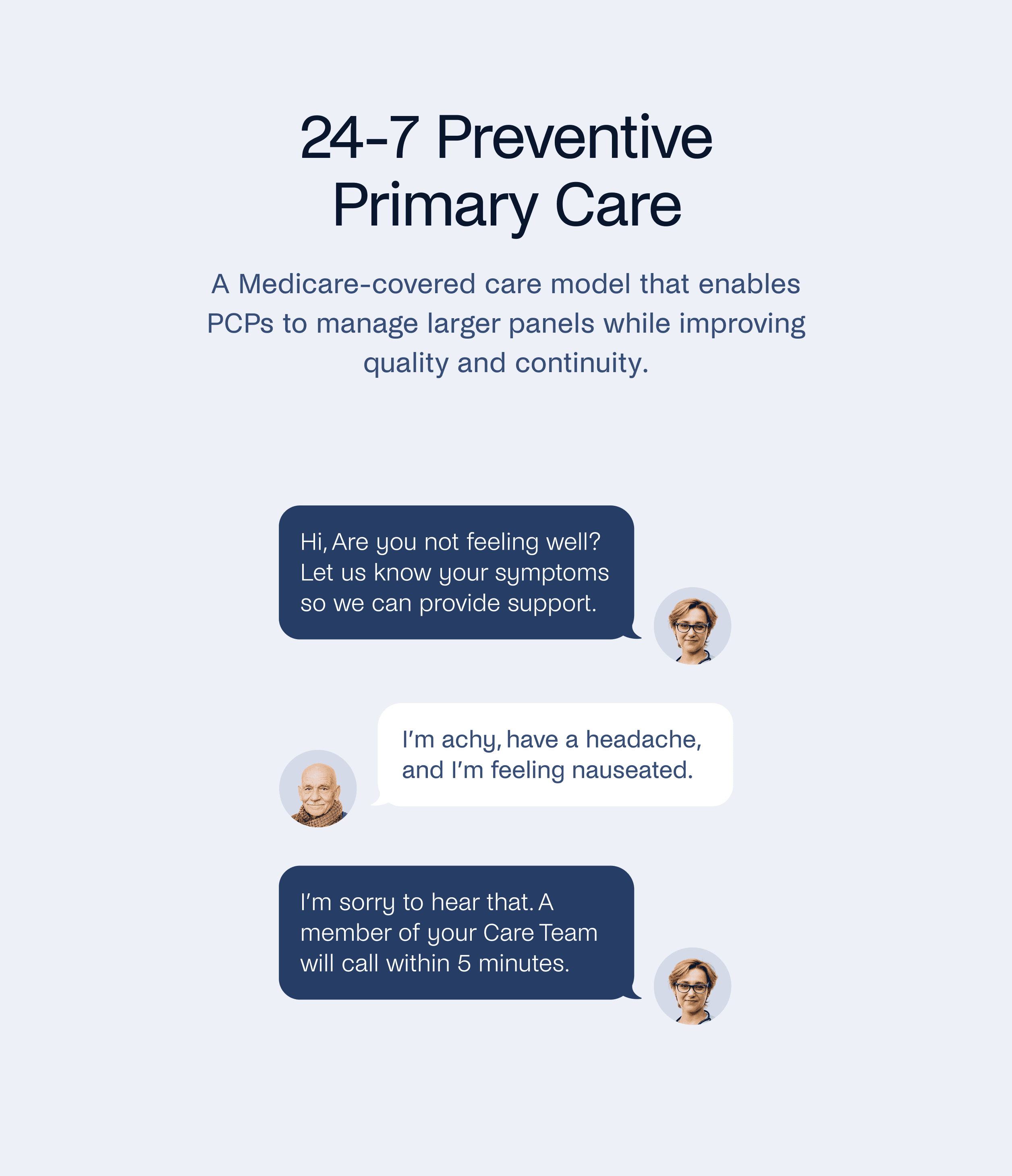
The website was the first complete expression of the system. Its information architecture and modular storytelling helped patients, clinicians, health systems, and payers enter one coherent story through the proof most relevant to them.
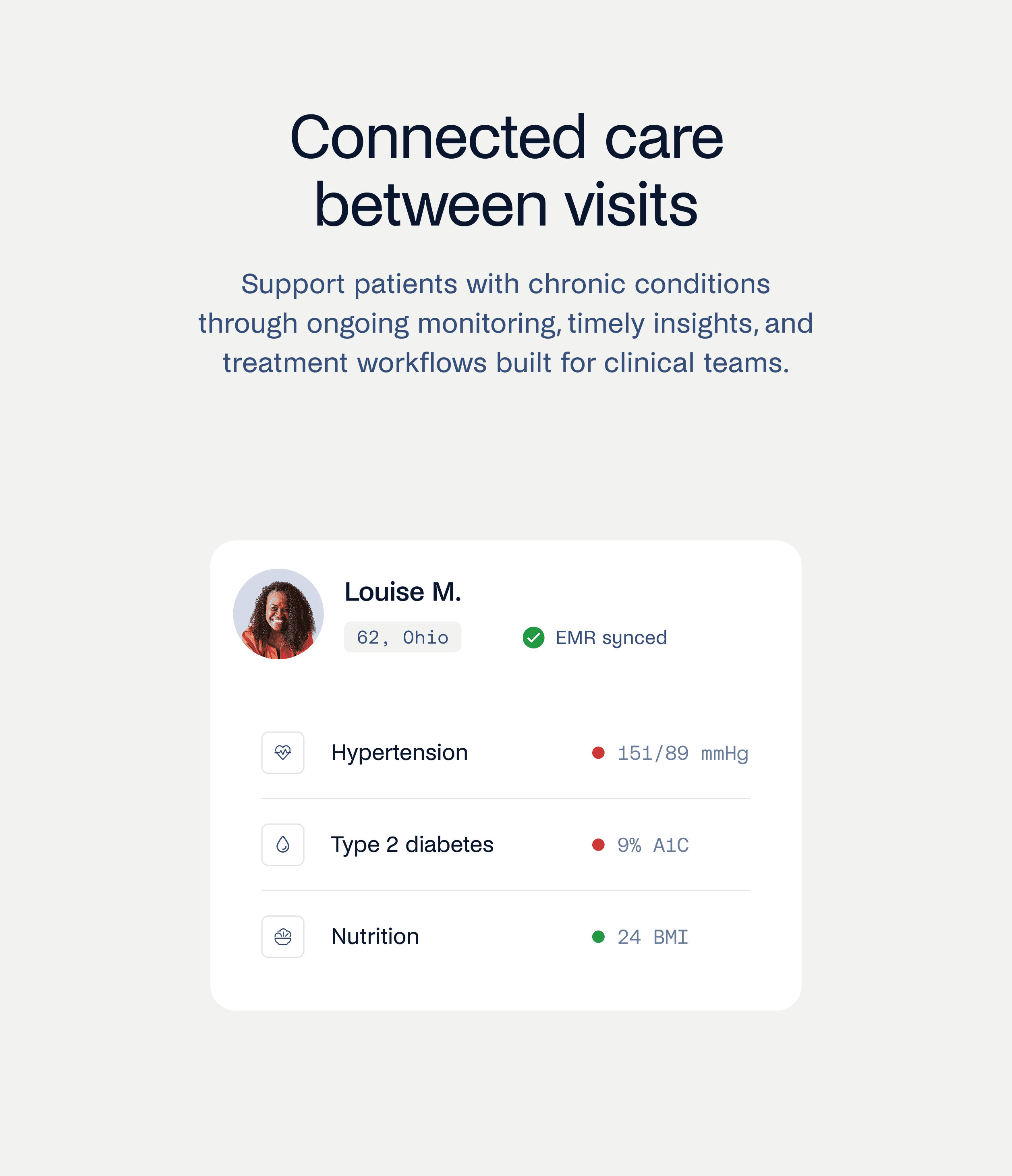

Care management agent
Coaching co-pilot
Titration co-pilot
Alert agent
Provider intelligence
The system had to work beyond the website.
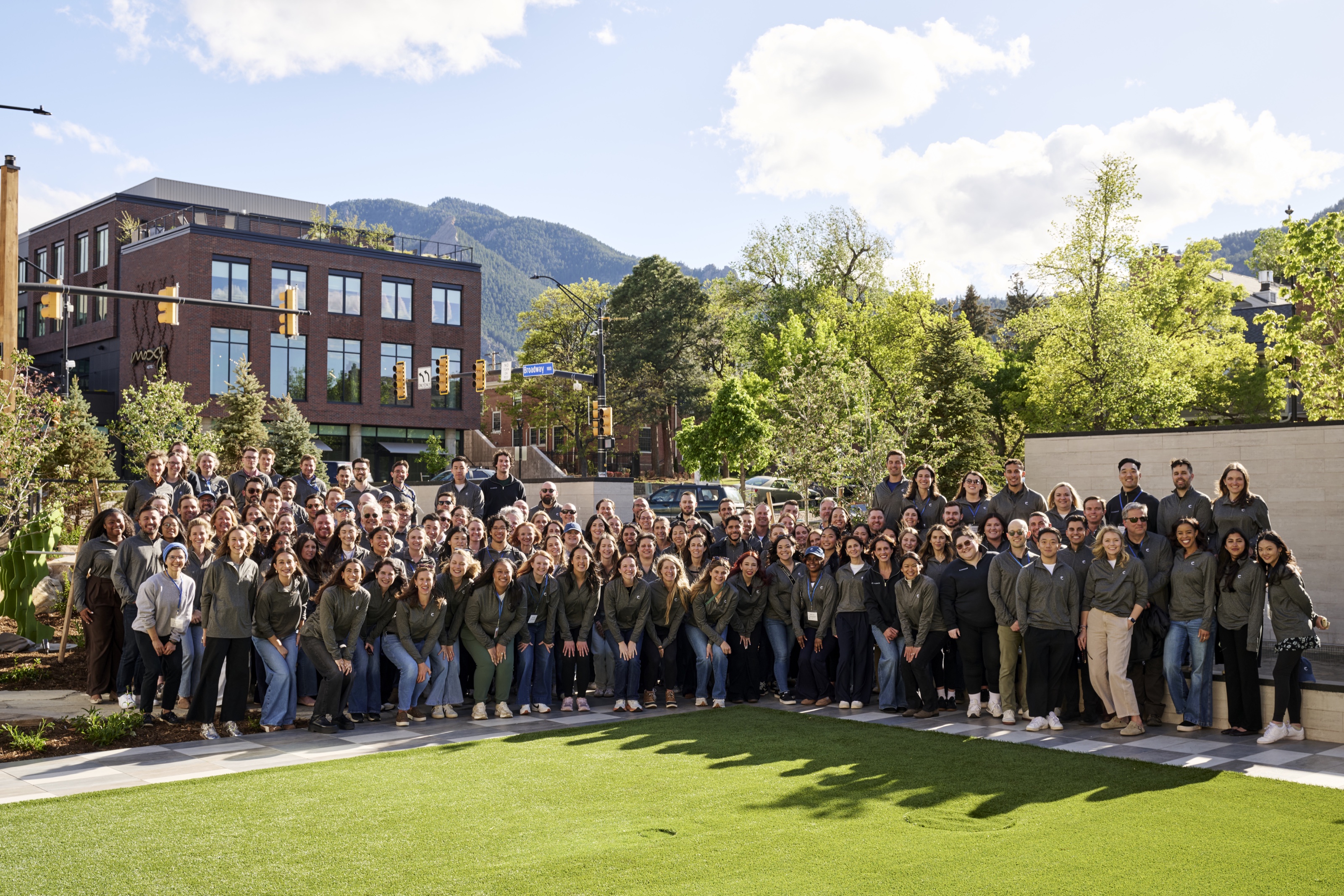
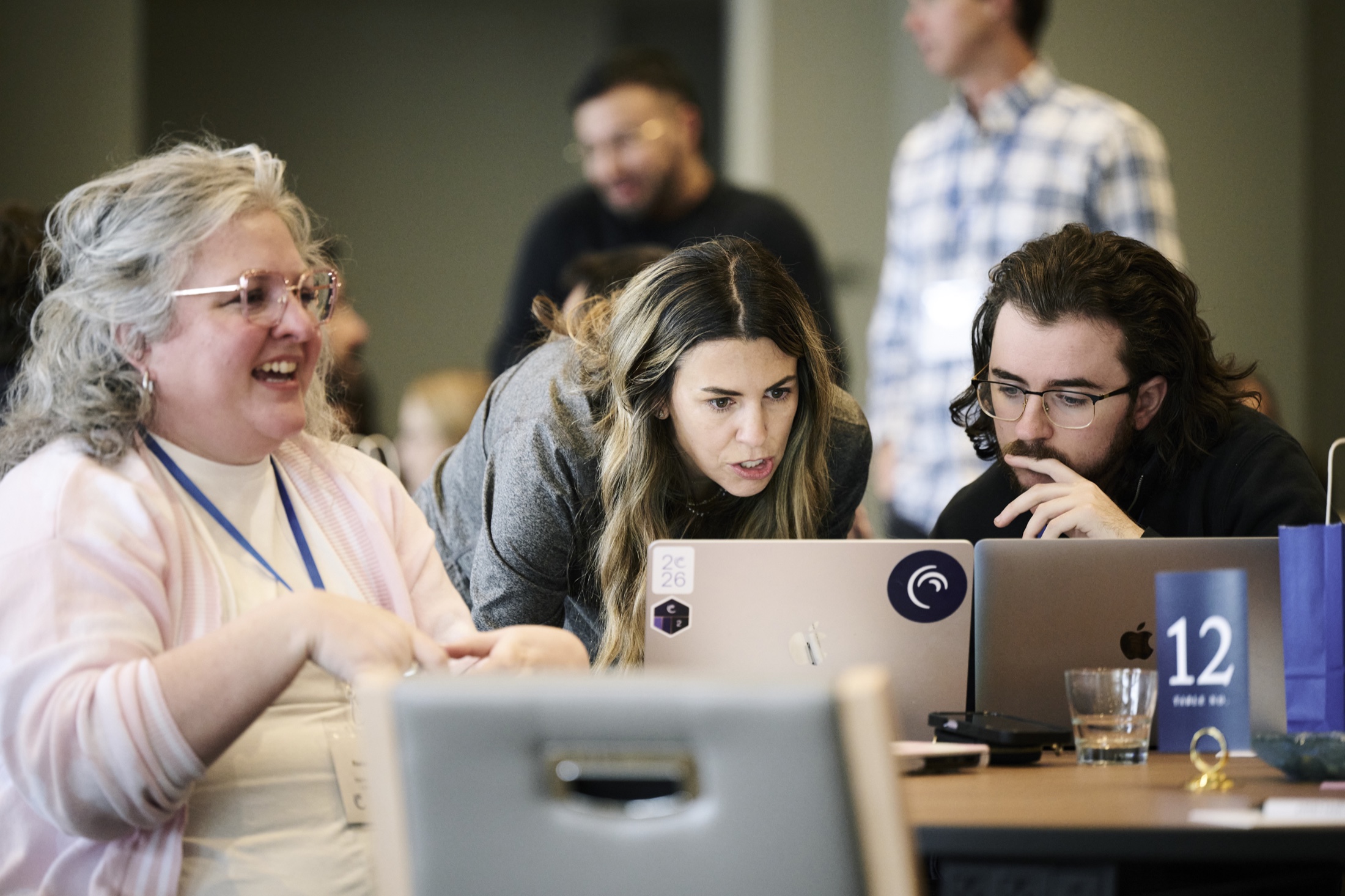
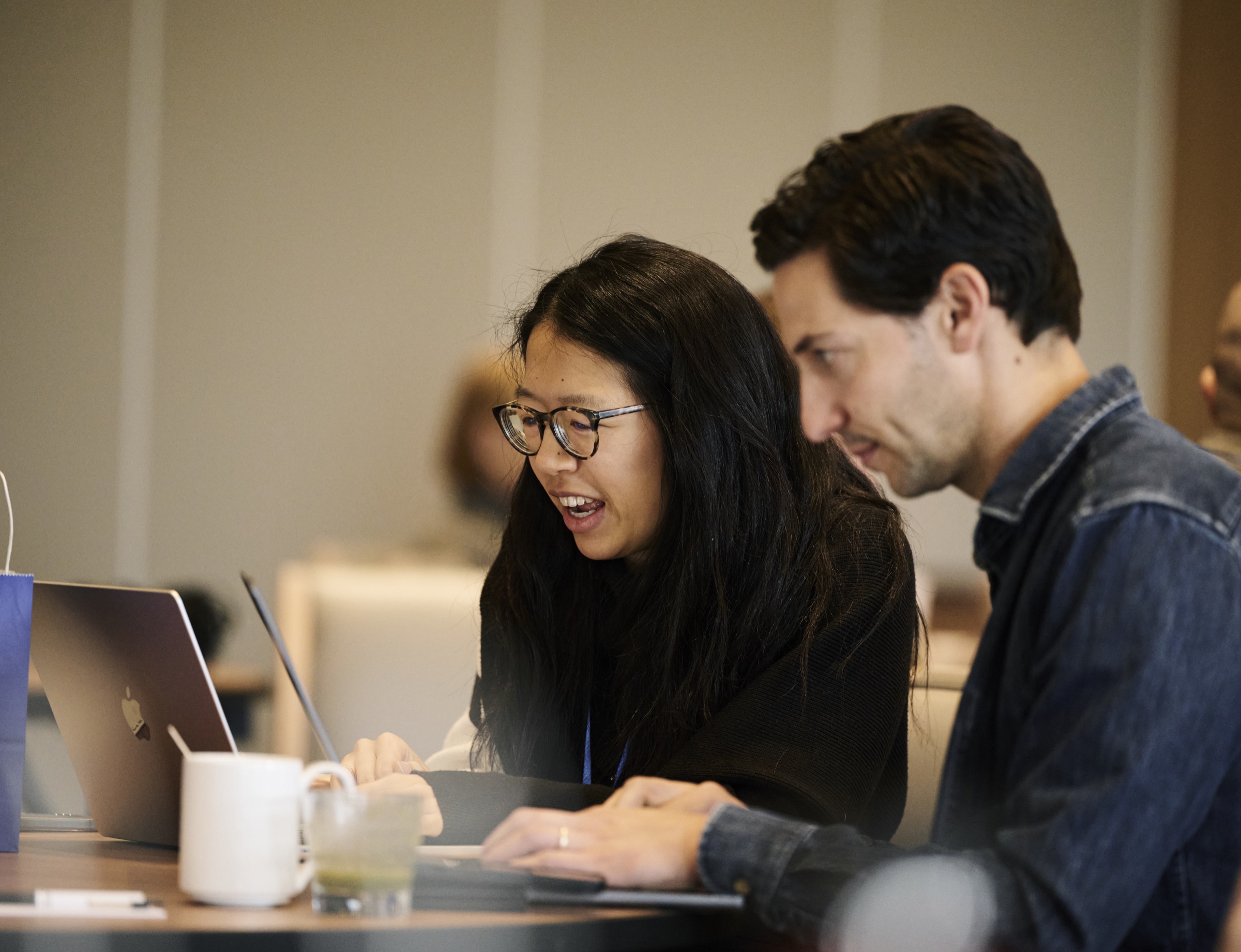
The system had to work beyond the website. I designed the foundational patterns for a company-wide presentation system, then art-directed a presentation designer in extending them into a 50-slide Google Slides template. I also led an onsite employee shoot, owning the creative brief, shot list, onsite direction, and final selects for Cadence's People and recruitment experience.
These extensions turned the refresh into a system other teams could use. The deck gave people a flexible tool without ongoing design support, while the photography brought real employees into the brand and employer story.
Systems created momentum.
Systems created momentum. The working web kit, social and video guidance, presentation library, and employer photography gave teams practical tools rather than a one-off launch.
Sales, Marketing, and teams across the company adopted the new language. New pages became easier to develop consistently, and the site moved away from a contractor-dependent Webflow workflow toward a more flexible agentic development model. The result was a foundation the organization could keep using.